School Coloring Book: A Practical Guide for Parents and Educators
Preparing a child for the classroom environment is one of the most significant transitions in early childhood. Many adults instinctively turn to educational tools to ease this shift, and the School Coloring Book has emerged as a popular choice for making school life familiar and exciting. However, not all coloring books are created equal. While the concept seems simple—pages featuring classrooms, playgrounds, and school buses—the quality of execution varies wildly. Choosing the wrong resource can lead to frustration rather than preparation, turning a potentially bonding activity into a source of stress for both the child and the adult.
The True Value of School-Themed Illustrations
A well-designed The School Coloring Book for Kids does more than just occupy time. It serves as a visual bridge between home and the school setting. When children color images of friendly teachers, students reading together, or essential supplies like globes and backpacks, they are engaging in a form of pre-learning. This process helps demystify the unknown. The bold outlines and simple scenes found in high-quality editions allow young learners to focus on recognition and fine motor development without getting bogged down by complex details.
The goal is to foster positive associations with education. By interacting with illustrations of cafeterias, libraries, and sports activities, children begin to understand the routine and structure of their upcoming days. This familiarity reduces anxiety and builds confidence. Yet, many parents overlook the specific design elements that make these books effective, often settling for generic prints that fail to deliver on their educational promise.
Common Pitfalls When Selecting Educational Coloring Books
One of the most frequent mistakes adults make is prioritizing price over design quality. In the rush to find affordable resources, it is easy to download or purchase a book filled with faint lines, crowded pages, or abstract concepts that do not resonate with a preschooler's reality. If the outlines are too thin or the images too intricate, the child may struggle to stay within the lines, leading to a sense of failure before they even start school.
Another overlooked detail is the relevance of the content. Some books feature outdated or unrealistic depictions of school life. For instance, if a book shows only traditional chalkboards while modern classrooms use interactive whiteboards, or if the diversity of students and teachers is lacking, the child may not see themselves reflected in the activity. This disconnect can diminish the book's effectiveness as a tool for social-emotional learning.
Furthermore, there is a tendency to treat the coloring book as a standalone solution. Adults often assume that simply handing a child a book will automatically prepare them for school routines. Without active engagement from a parent or teacher, the educational value is significantly reduced. The book becomes mere entertainment rather than a structured learning aid.
How Poor Choices Impact Learning and Satisfaction
When a School Coloring Book is poorly chosen, the consequences extend beyond wasted money. A book with low-quality paper can bleed through when using markers, ruining the page and frustrating the child. Complex illustrations can cause hand fatigue, discouraging further attempts at coloring. More importantly, if the themes do not align with the child's actual school experience, the book fails to provide the comfort and excitement it promises.
This mismatch can lead to disinterest. If a child cannot relate to the characters or settings, they are less likely to engage deeply with the activity. Over time, this can result in missed opportunities to develop crucial skills like hand-eye coordination, color recognition, and vocabulary building. Instead of feeling prepared for the first day of school, the child may feel confused or unprepared because the visual cues did not match reality.
Practical Steps to Choose the Right Resource
To avoid these pitfalls, take a closer look at the specifics before buying or downloading. Start by examining the line weight. High-quality books designed for young children feature thick, bold outlines that are easy to color. These lines should be clear and distinct, allowing for successful completion without excessive effort. Look for pages that depict recognizable scenarios: a school bus arriving, a teacher welcoming students, or friends sharing lunch in a cafeteria.
Consider the variety of activities included. A comprehensive collection should cover different aspects of the school day, including academic tasks like painting and reading, as well as social moments on the playground. Ensure the illustrations include diverse representations of students and educators to promote inclusivity. This helps every child feel welcome and understood.
Check the paper quality if purchasing a physical copy. Thicker paper prevents bleed-through and allows for the use of various coloring mediums, such as crayons, colored pencils, or washable markers. For digital downloads, verify the resolution to ensure the printout remains crisp and legible.
Maximizing the Educational Experience
Once you have selected a suitable School Coloring Book, the way you use it matters just as much as the book itself. Do not simply hand it over and walk away. Sit with your child and discuss the images. Ask questions like, "What do you think happens in the library?" or "How does the teacher help the students learn?" This turns the coloring session into a conversation about expectations and routines.
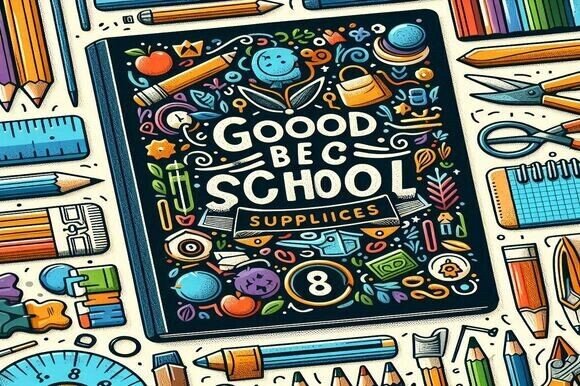
You can also use the book to introduce school supplies. As your child colors a pencil, a backpack, or a globe, name the item and explain its purpose. This reinforces vocabulary and helps them recognize the tools they will use daily. For example, while coloring a scene of the cafeteria, talk about healthy food choices and the importance of cleaning up after meals.
Integrate the activity into a broader preparation plan. Use the book in the weeks leading up to the school year to build a routine. Dedicate a specific time each day for coloring, perhaps right before bed or during a quiet afternoon slot. This consistency helps establish a rhythm that mimics the structure of a school day.
Evaluating Digital vs. Physical Options
In today's market, many parents opt for downloadable versions of School Coloring Book collections. While convenient and cost-effective, digital options require careful evaluation. Ensure the file format is compatible with your printer and that the layout is optimized for standard paper sizes. Sometimes, free online resources lack the professional editing and cohesive theme found in published books. They may contain ads, broken links, or inconsistent image quality.
If you choose a physical book, check the binding. Spiral-bound books are often superior for young children because they lay flat on the table, making coloring easier. Perfect-bound books can crack open easily under pressure, which can be frustrating for small hands. Additionally, consider the portability. A smaller, durable book is ideal for travel or waiting rooms, keeping the child engaged in educational play wherever they go.
Conclusion: Making an Informed Decision
The decision to use a The School Coloring Book for Kids is a proactive step toward supporting a child's educational journey. By avoiding common mistakes such as ignoring design quality, overlooking content relevance, or neglecting active participation, parents and educators can ensure the experience is beneficial. The right book acts as a comforting companion, transforming the unknown into something familiar and fun. With careful selection and thoughtful engagement, this simple tool can effectively build confidence, enhance motor skills, and foster a lifelong love for learning.